
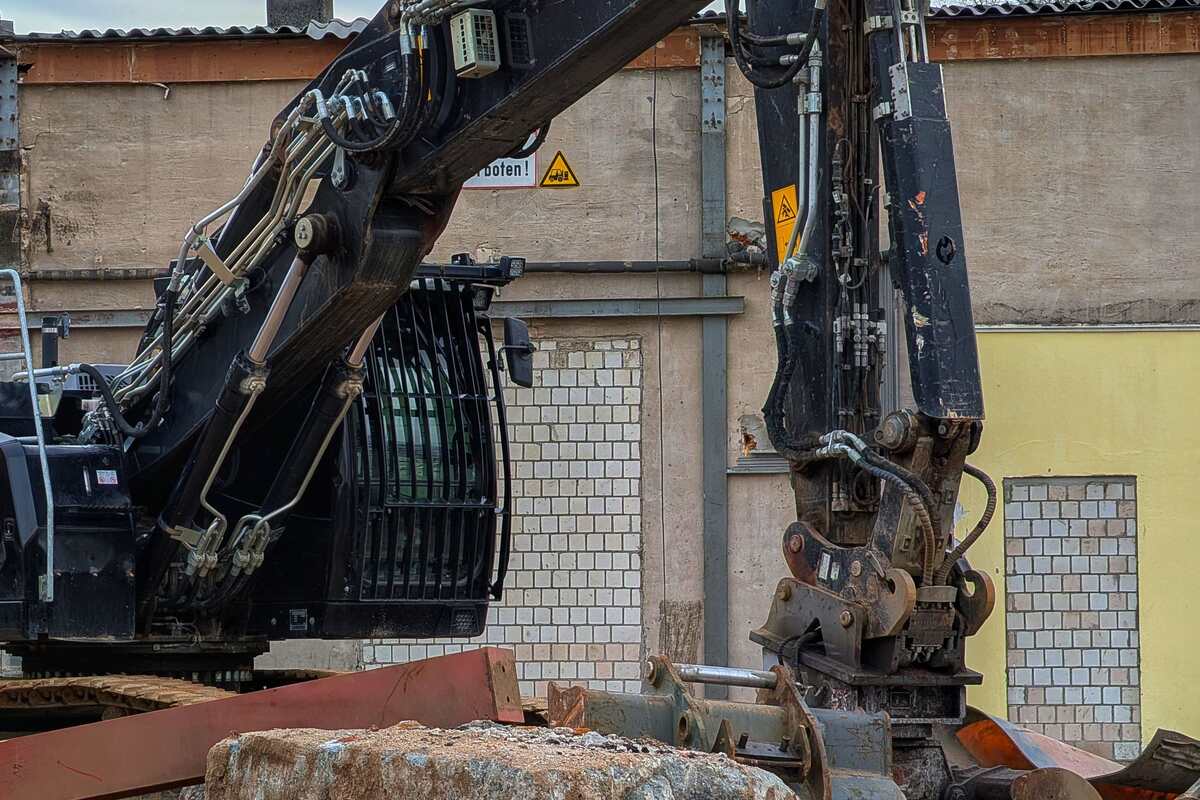
Equipment Ownership vs Renting: Why Buying Now Loses
You Were Taught to Own
Real contractors own their equipment. That's what you heard coming up. Rent if you're desperate or just starting out, but once you're established, you buy. You finance it, you depreciate it, and eventually you own it free and clear. It made sense for decades. Equipment prices were stable. Financing was cheap. Jobs were predictable. If you needed a skid steer or excavator more than a year, the math said buy.
But in 2026, that math is broken. And if you're still running that playbook, you're bleeding profit every month without realizing it.
Three Things Broke at Once
The ownership model worked because it rested on three assumptions. All three collapsed in the last three years. First, equipment prices were predictable. Tariffs on steel and imported components changed that. What used to cost you a quarter million now costs over three hundred thousand. The price jumped, but your bid didn't. Second, financing was cheap. You could borrow at three or four percent and the monthly payment barely registered. Now you're looking at seven to nine percent. On the same machine, your interest cost more than doubled. Third, demand was steady. You could project eighteen months of work and justify the purchase. But project delays hit sixty percent of contractors last year. When the job stalls, the equipment sits. The loan payment doesn't.
The Cost You're Not Seeing
Most contractors think about equipment in terms of purchase price or monthly payment. But ownership carries four hidden costs:
Depreciation happens whether you use the machine or not. A machine can lose 20% of its value the day you buy it, then 10% per year after.
Maintenance escalates as the machine ages. What costs $8K/year in scheduled service doubles by year five. By year seven, you're at $25-30K annually.
Storage and insurance pile on. In some markets, storage alone runs $1,500/month per machine - $18K/year just to park it.
Opportunity cost is the silent killer. Every dollar tied up in a depreciating asset is a dollar you can't deploy anywhere else.
When the Model Flipped
72% of contractors rented equipment in the last twelve months. The equipment rental market is projected to hit over $82B this year. That's contractors realizing the old model doesn't fit the new cost structure. Rental eliminates three of the four hidden costs immediately. No depreciation loss. No long-term maintenance contracts. No storage fees. You pay for what you use, and when the job ends, so does the expense. From a tax standpoint, rental is cleaner - fully deductible as an operating expense in the year you incur it.
What You Can Do
Pull your equipment list. For each piece, calculate what you actually paid last year: loan payment, insurance, storage, maintenance, depreciation. Then compare that to what you would have paid to rent the same equipment for the days you actually used it. Ownership still makes sense if you have consistent, predictable utilization. But if you can't answer how many days per year each piece runs with real numbers, you're guessing. And guessing with six-figure assets is how high-revenue businesses end up with flat profit.
Financial Freedom Isn't About Owning Everything
The shift from ownership to strategic rental isn't about cutting corners. It's about controlling costs, preserving liquidity, and making decisions based on real numbers instead of old assumptions. When you know your true equipment cost, you stop guessing. And when you stop guessing, you start keeping the profit you're already generating.